
Stargazing in Fountain Hills: What It Means to Live in an International Dark Sky Community
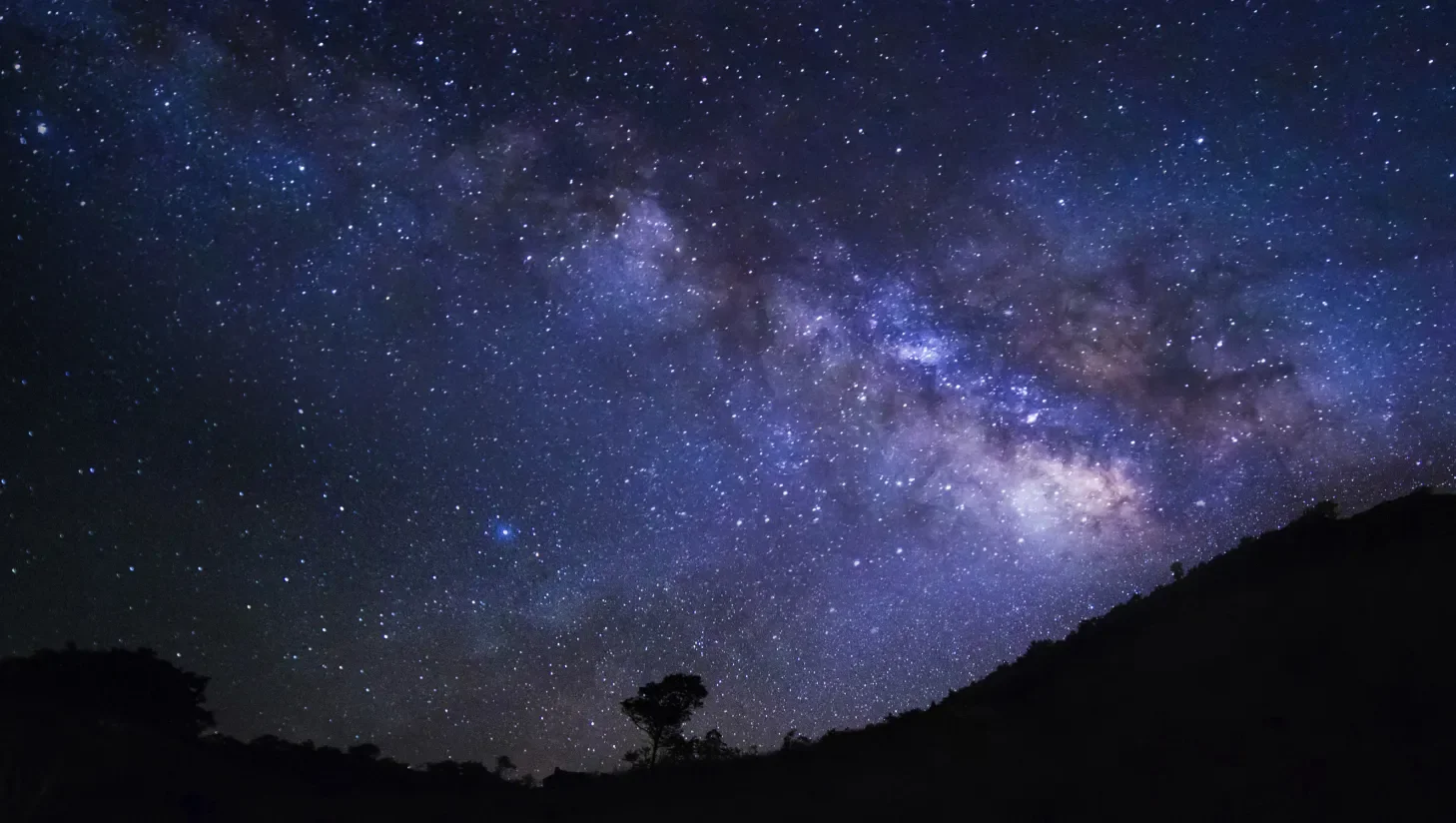
One of the first things people notice when they drive into Fountain Hills at night is how dark it is. Coming east on Shea from Scottsdale, the streetlights thin out, the glow of the city fades behind the McDowell Mountains, and suddenly you can see stars. Real ones. A lot of them.
That is not an accident. Fountain Hills is an International Dark Sky Community, and it is one of the things I love most about living and working here. Now that the evenings are finally cooling off, it is the perfect time to step outside and see it for yourself.
What is an International Dark Sky Community?
In 2018, Fountain Hills was named the 17th International Dark Sky Community in the world by DarkSky International (formerly the International Dark-Sky Association). It is one of only a couple of communities with that designation located right next to a major metropolitan area.
The designation recognizes towns that protect their night skies through thoughtful outdoor lighting rules and ongoing community education. Our location helps too. The McDowell Mountains sit between us and the rest of the Valley and block a surprising amount of the city glow, which is why you can sometimes catch a glimpse of the Milky Way from a neighborhood backyard just 30 minutes from downtown Phoenix.
You will also notice that Fountain Hills has very few streetlights. Outside of signaled intersections and busy crosswalks, the town keeps things intentionally dark, and most residents would not have it any other way.
Where to stargaze in Fountain Hills
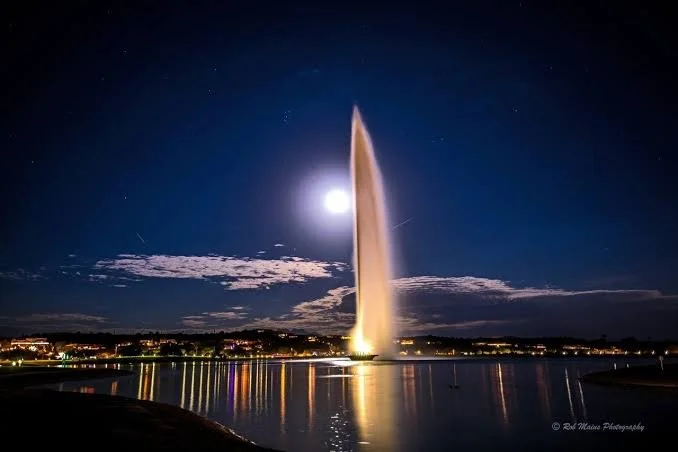
You do not need to drive out to the middle of the desert. A few local spots recommended by Fountain Hills Dark Sky Preservation:
Fountain Park (the east side). Head to the back of the park, away from Avenue of the Fountains, for the darkest views.
Four Peaks Park. Great when the ball field lights are off.
Golden Eagle Park and Desert Vista Park. Also good choices on nights when the fields are not in use.
A few tips for a better night out:
Go on a night close to the new moon. A bright moon washes out fainter stars.
Give your eyes 20 to 30 minutes to adjust, and skip checking your phone while you wait.
Bring a red flashlight if you need light. It will not ruin your night vision.
Bring a jacket. Even in the fall, desert nights cool off quickly once the sun goes down.
If you want to go a step further, the Fountain Hills Library has offered a telescope lending program where adults can check out a telescope with their library card, and local groups like the Fountain Hills Astronomy Club and Night Sky Tourist host star parties and guided stargazing hikes throughout the year.
What the dark sky rules mean for homeowners
This is the part I always make sure my clients know about, because it affects your home.
Fountain Hills has an outdoor lighting ordinance, often called the Dark Sky Ordinance, that the Town Council updated in 2016. The full details are in Chapter 8 of the Town's Zoning Ordinance, but here are the basics:
Warmer light. Outdoor fixtures should not exceed 3000K in color temperature. That means a warm, soft glow instead of harsh bright-white or blue-toned light.
Shielded and aimed down. Fixtures should be shielded and pointed so light does not spill onto your neighbors' property or up into the sky.
Less is more. The goal is enough light for safety without lighting up the whole block.
If you are buying: Keep this in mind when you plan exterior upgrades like landscape lighting, a new patio, or a pool. Your lighting choices will need to fit the ordinance, and a good lighting professional in the area will already know the rules.
If you are selling: Take a look at your exterior fixtures before you list. Swapping a few bright bulbs for warmer ones and making sure fixtures are shielded is an easy, inexpensive update, and it helps your home show beautifully at dusk.
Not sure where your fixtures stand? Fountain Hills Dark Sky Preservation offers a free, confidential self-assessment on its website that walks you through your lighting and its impact.
What's coming next: The International Dark Sky Discovery Center
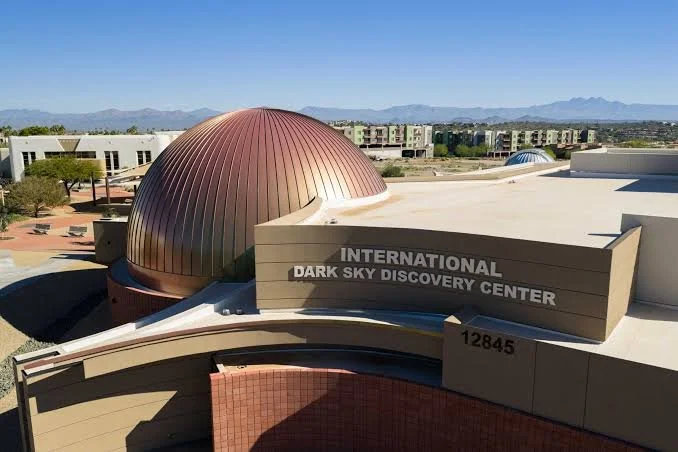
If you have driven through the civic center area lately, you have probably seen the International Dark Sky Discovery Center taking shape. It is in the final phase of construction and is currently targeted to open in 2027.
When it opens, it will house the largest telescope in the Greater Phoenix area, a 27.5-inch observatory telescope, along with a planetarium, a theater, and hands-on exhibits. The plan is to welcome families, students, and visitors on evenings and weekends, which means Fountain Hills is about to become a destination for astronomy lovers from all over the state and beyond.
For those of us who live here, it is one more reason to be proud of this town.
Mark your calendar
Fountain Hills Dark Sky Preservation hosts the annual Dark Sky Festival each spring at the Fountain Hills Community Center. It is free, family friendly, and packed with telescopes, speakers, and activities for kids. This year's festival was held in late March, so keep an eye out for the 2027 date.
Why it matters
The dark skies are part of what makes Fountain Hills feel like a small town, even with the entire Valley just over the mountains. Quiet evenings, a sky full of stars, and neighbors who care about keeping it that way. It is the kind of thing you do not fully appreciate until you live here.
If you are thinking about making Fountain Hills home, or you have questions about what the lighting ordinance means for a home you are considering, I would love to help. Reach out anytime.
Jenn Stricker | The Pellegrini Group | MCO Realty (480) 253-0786 | jenn@85268.com | www.jennstricker.com